


Max Payne Mobile
3.14.18K Reviews
App Specs
- Version
- 2.1.131
- Updated On
- License
- $2.99
- Downloads
- 500,000+
- Developer
- Rockstar Games
- Categories
- Arcade
- Platform
- Android
Screenshots
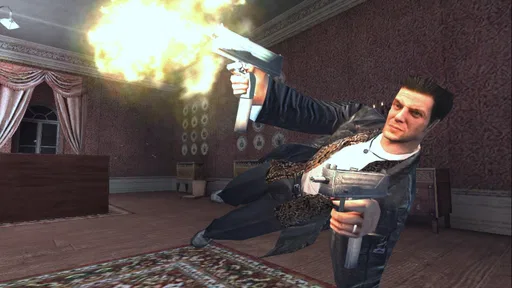


 Analysis by AppCompare
Max Payne Mobile is the kind of arcade game I pick up when I want a focused action session rather than a relaxed time-killer. Rockstar Games brought the award-winning Max Payne experience to Android and iOS devices, and the result still feels built around atmosphere, sharp shooting, and a darker story instead of bright, disposable arcade design. I found it more demanding than a typical casual game, but also more memorable when the controls and pacing worked in my favor.
The important question is not simply whether this is a famous game on a phone. It is whether a story-led third-person shooter from another era fits the way you use a mobile device today. My answer is yes if you enjoy deliberate action, noir mood, and replaying difficult encounters to improve. I would be more cautious if you want instant portrait-mode play, a lightweight download, or a game that feels equally comfortable on every screen size.
How Max Payne Mobile feels in everyday play
I approach Max Payne Mobile as a game that rewards a little preparation more than a rushed first launch. In this section, I’ll focus on how its deliberate, story-led action fits into ordinary phone use, then turn to the small setup choices that can make the first encounter feel manageable rather than awkward.
A slower, more deliberate kind of arcade action
The arcade label can create the wrong expectation here. This is not a collection of tiny rounds designed for a quick queue or a two-minute break. The action asks me to watch enemy positions, choose when to move, and use the famous slow-motion shooting style with some thought. That gives each encounter a rhythm: enter a space, read the danger, commit to a jump or evasive movement, then recover before the next exchange.
That rhythm affects perceived speed. When I am moving through a familiar section, the game feels direct and responsive enough to keep the action flowing. When several enemies appear or the camera angle makes positioning less obvious, the same experience becomes more measured. I do not see that as a flaw by itself. The game is trying to make each fight feel like a tense scene, not an endless stream of targets.
For a short everyday session, I would play one encounter or continue from a convenient stopping point rather than expect a complete chapter in one sitting. On a commute or while waiting for an appointment, that distinction matters. The game can provide a satisfying slice of action, but it is better suited to someone who can give the screen steady attention than to someone constantly switching between apps.
Controls are the first performance test
On a touchscreen, the biggest challenge is not the age of the game; it is translating aiming, movement, shooting, and evasive actions onto a small surface. I had to spend time getting comfortable with the virtual controls before judging the game fairly. A player who rushes into a difficult fight without adjusting their hand position may blame the device for mistakes that are really caused by unfamiliar touch input.
Worth Reading Before You Choose

EA SPORTS FC Mobile 26 Is a Bigger Football Game, but It Takes Time

Flipboard Shows What News Apps Must Do Beyond the Feed

Switching to Android Auto Means Rethinking Your Driving Routine

Google Calendar Makes a Crowded Week Easier to Manage

Ludo King Makes the Most of the Minutes Between Plans

Baby Panda World Brings Quick Play to Modern Phones, but Its Game Library Feels Busy
I recommend beginning with a quiet section and learning how far your thumbs need to travel for movement and aiming. That small preparation makes later firefights feel faster because fewer actions are wasted. It also helps reveal whether your particular phone or tablet gives you enough room to keep your hands from covering important parts of the view.
There is a useful trade-off here. Touch controls make the game immediately portable, but they do not give the same confidence as physical buttons. If you already enjoy mobile shooters, you may adapt quickly. If you normally play action games with a controller, expect a learning period and be prepared for occasional imprecision during hectic moments.
What happens when the action gets busy
The most demanding moments are the scenes where several decisions arrive at once: enemies are attacking from different directions, I need to move out of danger, and the slow-motion ability is tempting me to spend it immediately. These situations put pressure on both the player and the device. They are also where the game’s age becomes most noticeable, because the presentation is designed around a fixed console-style experience rather than modern mobile convenience.
My practical advice is to treat slow motion as a control tool, not merely a special effect. Using it to create a safer angle or interrupt a dangerous sequence is usually more valuable than activating it just because the screen looks dramatic. This approach reduces frantic thumb movement and makes the game feel more stable from the player’s side, even when the scene itself is intense.
Longer sessions can also expose ordinary mobile friction. A bright screen, constant touch input, and demanding 3D action are more tiring than a simple arcade title. I would not choose this for a device that is already struggling with heat or battery life, and I would avoid judging it after only a few seconds in the opening area. The important experience is how comfortably your phone handles repeated action, not just whether it launches.
Stability, saving, and recovering from interruptions
Reliability matters more on a paid mobile game because I expect to return to the same campaign rather than treat each launch as disposable. In normal use, I approach Max Payne Mobile as a game that benefits from deliberate stopping points. Before leaving it for another app, I prefer to finish the immediate exchange or reach a natural pause instead of closing it during a chaotic moment.
That habit is useful even when a game appears stable. Phones suspend applications differently, notifications can interrupt play, and operating systems may reclaim resources when several apps are open. A sensible routine is to keep the device reasonably clear before a longer session, avoid switching repeatedly during a difficult sequence, and allow the game a moment to resume instead of tapping rapidly if the screen needs time.
If an interruption does occur, recovery is less frustrating when I remember where I was in the story and do not assume that every mobile session will behave like a console suspended in place. I also recommend checking that the game has had time to complete any normal progress-saving behavior before forcing it closed. That is not glamorous advice, but it prevents avoidable repetition in a campaign where replaying a fight can be much less enjoyable than progressing.
Device limits are part of the buying decision
The listed minimum operating-system requirement is iOS 9, which tells me that the game targets a broad range of Apple devices rather than only recent hardware. That is helpful for compatibility, but it should not be confused with a promise that every supported device will offer the same comfort. Screen size, available memory, battery condition, and the general age of the phone all affect how pleasant a touch-heavy action game feels.
A smaller display can make the controls and visual details compete for space. A larger iPhone or iPad may give my hands more room, although a larger screen does not automatically solve every aiming problem. I would also consider whether the device is used for work, navigation, or constant messaging. If the phone is frequently interrupted or has little breathing room for games, this is not the title I would use to test its limits.
The current version is 2.1.131, and the game remains a paid download at $2.99. There are also in-app purchases listed at $2.99 per item, so I would review the purchase screen carefully before confirming anything. The entry price is modest for a full, story-focused game, but the real value depends on whether you want this particular style of action rather than a free game built around shorter sessions.
Why the presentation still helps performance feel purposeful
One reason I can forgive some mobile compromises is that the game has a clear identity. The bleak atmosphere, dramatic action, and story-led structure give me a reason to continue beyond the next target. It is not trying to compete with every modern shooter on visual spectacle. Instead, it uses its mood and pacing to make individual scenes carry more weight.
That focus also explains why I would not compare it directly with a fast multiplayer shooter. A competitive alternative may offer more immediate movement, broader control customization, and a constantly changing challenge. Max Payne Mobile gives me something different: a self-contained experience where the pressure comes from the encounter and the narrative context, not from online opponents or a rotating event schedule.
Compared with a typical casual arcade game, this one demands more concentration and offers less instant gratification. Compared with a modern premium action game, it may feel less forgiving on touchscreens and less tailored to current phone habits. Its advantage is that it has a recognizable tone and a campaign structure, making it a better choice for players who want to play through a specific world instead of filling spare minutes with unrelated rounds.
Who should install it, and who should skip it
I would recommend it to someone who enjoys noir crime stories, third-person shooting, and the satisfaction of mastering a difficult encounter. It is also a good fit for a player who wants a paid game without depending on a multiplayer community. The fact that Rockstar Games is the developer will attract fans of its catalog, but I would still judge this version on mobile comfort rather than on the developer’s name alone.
I would skip it if your priority is a simple one-handed game, a portrait layout, or nearly effortless performance on an older phone. I would also look elsewhere if you want frequent new content, social competition, or a game that can be played effectively while distracted. The Mature 17+ rating is another clear signal that this is aimed at adults and older players, not families searching for a harmless arcade option.
The average rating sits at 3.1 from around 45 thousand ratings, while the store shows about 4.2 thousand written reviews. I read that as a reminder to keep expectations realistic: the concept has strong appeal, but mobile controls, device differences, and the age of the port can shape individual reactions. More than 500 thousand installs show that many people have tried it, yet popularity alone does not remove the practical question of whether your screen and playing style suit it.
A realistic way I would use it
Imagine having half an hour at home after work, with the phone charged and notifications quiet. I would launch the game, continue from a natural point, and spend the session learning one difficult section rather than rushing through several scenes. I would keep my thumbs positioned consistently, use slow motion to create space, and stop after reaching a satisfying checkpoint or pause. That approach turns the game into a focused evening activity instead of an awkward attempt to squeeze a console-style shooter into every spare minute.
For travel, I would treat it as a backup game rather than my only entertainment. It can be rewarding when I have uninterrupted attention, but a sudden call or message is more disruptive here than in a match-three game. If I were carrying a tablet, I would favor it over a very small phone because the extra room could make aiming and movement less cramped. The best setup is therefore not just “any compatible device”; it is a device and situation that let me concentrate.
Small habits that make the experience better
Start with a short control practice period instead of entering the hardest fight immediately. This helps separate touch-screen adjustment from genuine difficulty.
Use slow motion to solve positioning problems, especially when an enemy angle leaves little room to react. Saving it for a purpose makes encounters feel less chaotic.
Close unnecessary apps before a longer session, particularly on an older device. This is a practical way to reduce avoidable interruptions and give the game a cleaner environment.
Play with the screen brightness and hand position in mind. A comfortable grip matters because repeated thumb corrections are tiring during extended firefights.
Before leaving the game, reach a sensible stopping point and avoid repeatedly suspending it during an active exchange. That makes returning to the campaign less stressful.
My performance verdict
After weighing the speed expectations, busy combat, recovery habits, and device constraints, I see Max Payne Mobile as a focused premium arcade game rather than a universally comfortable mobile shooter. Its strongest performance quality is perceived responsiveness when the player understands the controls and the device gives the game enough room to breathe. Its weakest point is the gap between a console-designed action experience and the limitations of touch input, especially on a small or aging phone.
The $2.99 price makes the experiment relatively easy to justify for fans of the character and style, although the additional $2.99-per-item purchases mean I would pay attention during checkout. The Mature 17+ rating is appropriate for the tone, and the iOS 9 minimum requirement makes it accessible to a wider range of Apple hardware than many newer games. Still, compatibility should be treated as a starting point, not a guarantee of ideal comfort.
My honest recommendation is to choose it for atmosphere, campaign play, and deliberate action—not for effortless mobile convenience. When I give it a stable device, an uninterrupted session, and a little patience with the controls, the game has enough personality to justify its place in my library. When I need instant, low-commitment entertainment or flawless comfort on a compact phone, a simpler arcade alternative is the better choice.
In the end, Max Payne Mobile succeeds because it brings a distinctive action experience to a portable screen, but it asks the player to meet it halfway. The people most likely to enjoy it are those willing to adjust their habits, learn the touch layout, and accept that a serious story-driven shooter will not behave like a disposable time-killer. For that audience, it remains a worthwhile download; for everyone else, the limitations are clear enough to make skipping it a sensible decision.
Pros
- Faithful port of the classic third-person shooter
- Strong noir atmosphere with memorable comic-style storytelling
- Bullet Time makes firefights satisfying and cinematic
- Offline play works well without an internet connection
- Cloud saves support convenient progress across compatible devices
Cons
- Touch controls can feel awkward during precise firefights
- Older visuals and animations may look dated on modern phones
- Requires significant storage space for a mobile game
- Some devices may experience compatibility or performance issues
- The campaign is relatively short compared with newer action games
FAQs for Max Payne Mobile
What is Max Payne Mobile?
Max Payne Mobile is the mobile version of Remedy Entertainment’s classic third-person action game. It follows Max Payne, a troubled detective investigating a conspiracy in New York while battling criminals and uncovering the truth behind his family’s murder. The game is known for its cinematic storytelling, noir atmosphere, dramatic voice acting, and signature bullet-time shooting mechanic.
How does the gameplay work on Android and iOS?
The mobile edition keeps the original cover-based third-person shooting gameplay, including pistols, shotguns, rifles, and the famous bullet-time effect that slows the action during firefights. Touch controls are adapted for phones and tablets, with aiming, movement, weapon switching, and shooting handled on screen. Players should expect a learning curve, especially during intense combat sequences.
Does Max Payne Mobile require an internet connection?
Max Payne Mobile is primarily a single-player experience and does not require a constant internet connection once it has been properly downloaded and installed. An internet connection may still be needed to obtain the game, verify the purchase, download additional files, or install updates. After setup, the campaign can generally be played offline, making it suitable for travel or areas with limited connectivity.
Is Max Payne Mobile suitable for all ages?
No. Max Payne Mobile is intended for mature players because it contains frequent gun violence, blood, dark crime themes, disturbing imagery, strong language, drug-related references, and emotionally intense scenes. The story deals with murder, revenge, corruption, and psychological trauma. Parents should check the official age rating in their region before allowing younger players to download or play it.
What should I check before downloading Max Payne Mobile?
Before downloading, confirm that your Android or iOS device is compatible with the current version and has enough free storage for the app and any additional installation data. Older devices may experience reduced performance, control issues, or compatibility limitations. It is also wise to use a stable Wi-Fi connection, review the latest store listing, and verify that the game is officially published rather than downloading an unofficial copy.


